Smoke detection
Photoelectric or other suitable smoke sensing is selected for spaces where smoke is the useful early indicator.

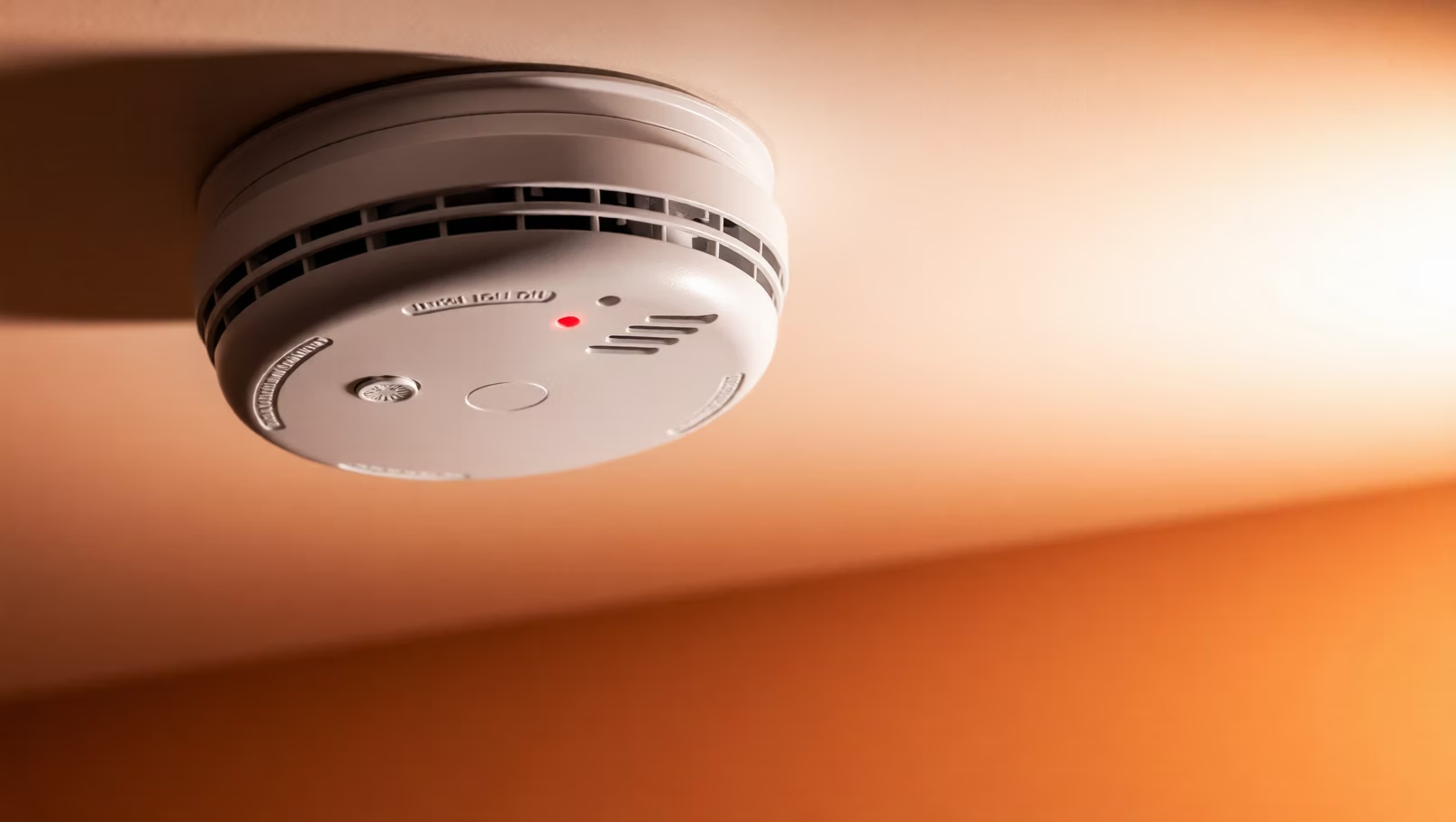
Reliable early-warning detection
We select, install, test and maintain smoke and heat detectors for homes, offices, shops, warehouses and facilities in Damascus, Rif Dimashq and across Syria.
A detector is effective only when its sensing method, location, power and warning path suit the room. Bedrooms, corridors, kitchens, workshops, storage areas and technical rooms can require different choices.
We assess the environment, ceiling, airflow, likely fire development and sources of steam, dust or heat before selecting standalone, interconnected or panel-connected devices.
Detector selection and positioning are planned to improve early warning while reducing avoidable nuisance alarms.
Photoelectric or other suitable smoke sensing is selected for spaces where smoke is the useful early indicator.
Heat detectors may suit environments where normal smoke, steam or dust makes smoke sensing unsuitable.
Compatible systems may combine sensing methods to improve decisions in selected applications.
The warning method can range from local alarms to interconnected devices or a central fire panel.
Battery, mains and panel-powered options are considered with suitable testing and replacement plans.
Devices are functionally tested, labelled where needed and included in a practical maintenance record.
We clarify the site, users, risks, priorities and the result the system must deliver.
We inspect coverage areas, installation routes, available power, network conditions and existing equipment.
You receive a clear scope with the recommended components, installation work, options and support requirements.
Our team installs, configures and tests the system under realistic operating conditions.
We explain daily use, document essential settings and agree on maintenance or follow-up support.
Maintenance includes visual inspection, functional testing, cleaning or replacement where appropriate, battery review, panel fault checks and clear records of devices that need corrective work.
Site surveys are available in Damascus and Rif Dimashq. Projects elsewhere in Syria are planned according to scope, access and schedule, with coverage confirmed before the visit.
The choice depends on room use and environmental conditions. Smoke sensing gives early warning in many spaces, while heat detection can suit dusty, steamy or smoky areas.
Placement depends on ceiling layout, room use, airflow and the selected system. A site review prevents common blind spots and poor locations.
Yes. Depending on the product, devices may be interconnected locally or connected to a fire alarm control panel.
Regular user tests and professional periodic inspection should follow the system type, manufacturer guidance and project requirements.
Steam, dust, aerosols, insects, poor placement, contamination or an unsuitable detector type can contribute. The cause should be investigated.
Battery devices can continue while batteries remain healthy. Panel systems rely on correctly maintained standby batteries.
Tell us the room types and whether you need standalone or panel-connected detection. We will recommend the next survey or service step.